We are extremely privileged where we live to have a small stream that runs past our street, which plays host to kingfishers, probably the UK’s most colourful bird. They are extremely shy birds, however, so a bit of stealth was required to capture this beautiful winged hunter on camera.
There is a branch extending over the stream which is covered in bird excrement, a clue to the bird’s favoured vantage point. Almost every time I go out to the car, I see him perched on the same spot, and as soon as he spots me he shoots off down the river, a streak of orange and blue.
Over the last two days I’ve been using the car as a hide from which to trigger the camera remotely in order to get a closer look at him. Initially I had the camera perched on the bank, which is about four feet above water level, and was able to get three pictures of him in varying poses as he sat on the branch, looking for food. Today, however, I set the camera up in the water itself, so was able to get down to his level, and the final picture of this quartet was taken from this angle, showing him in glorious profile.
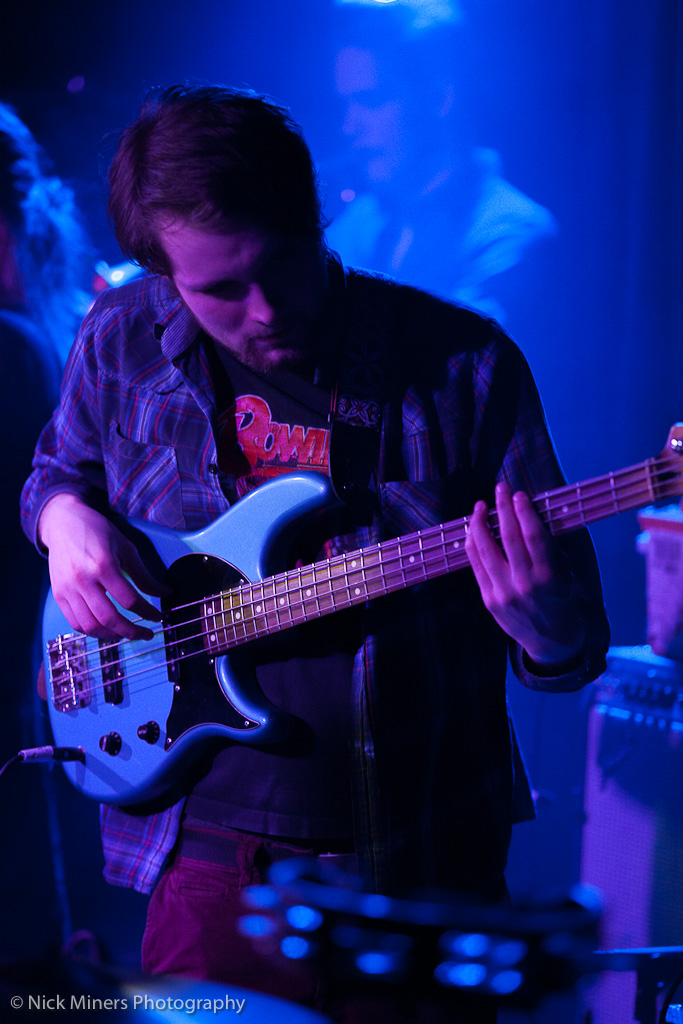
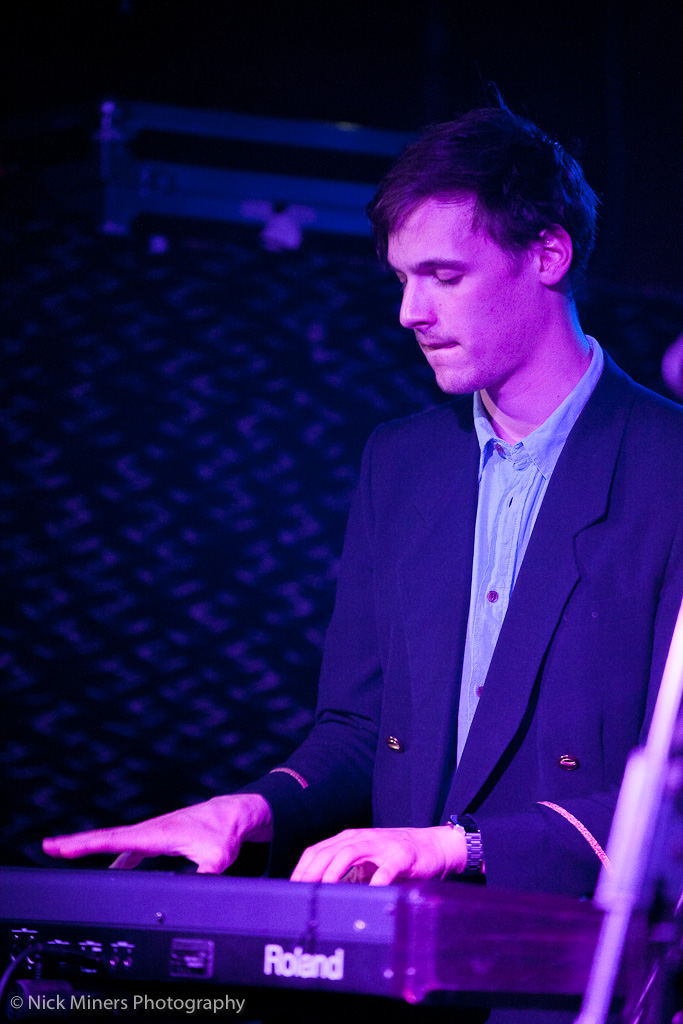
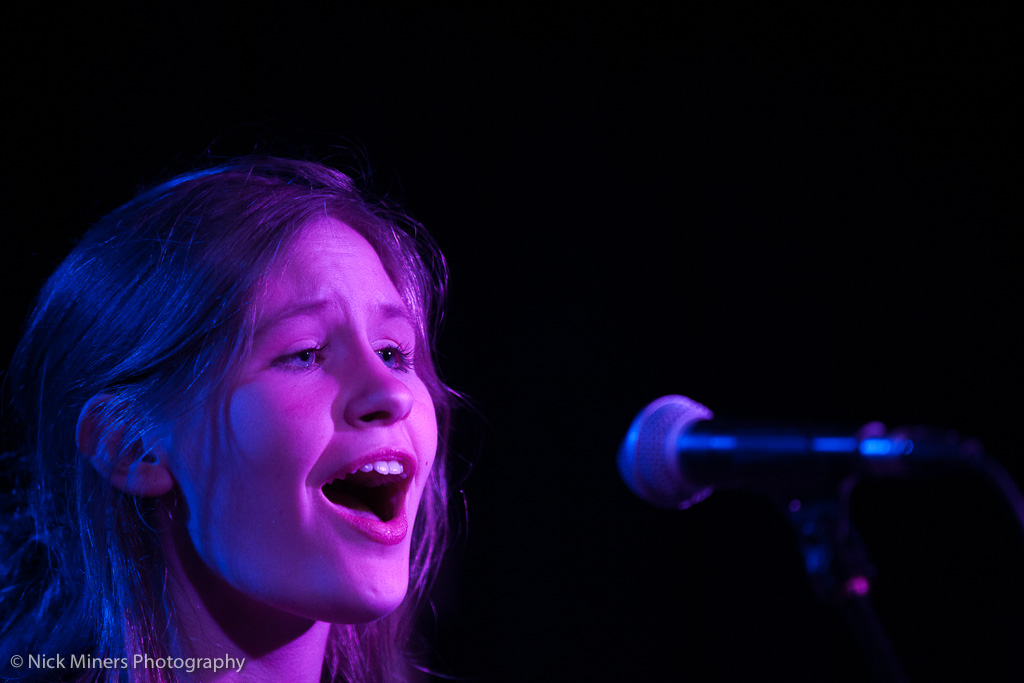
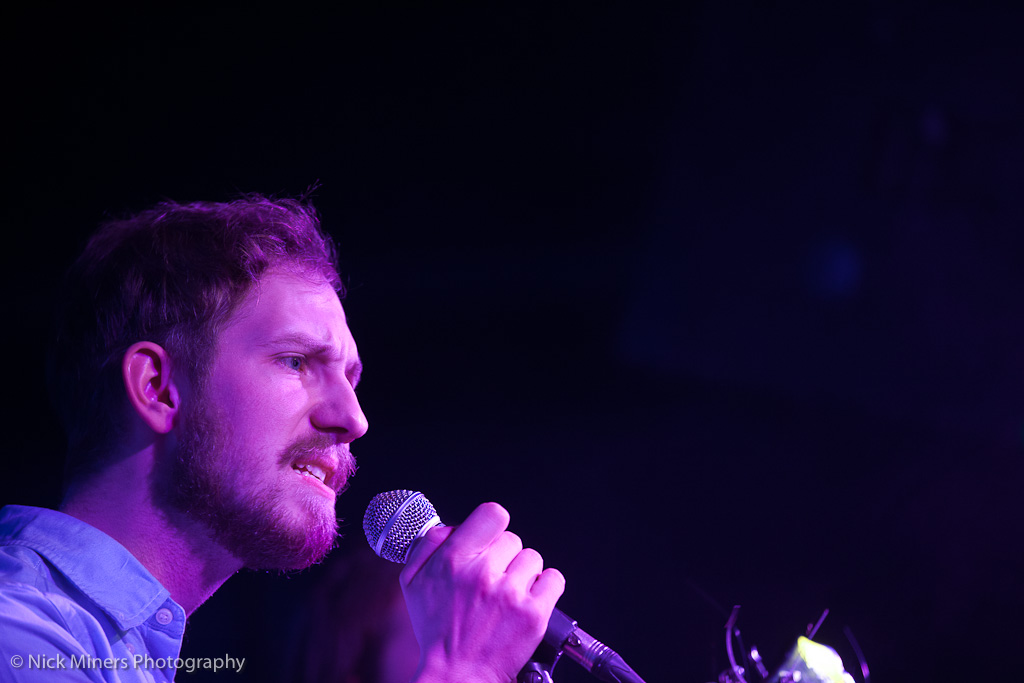
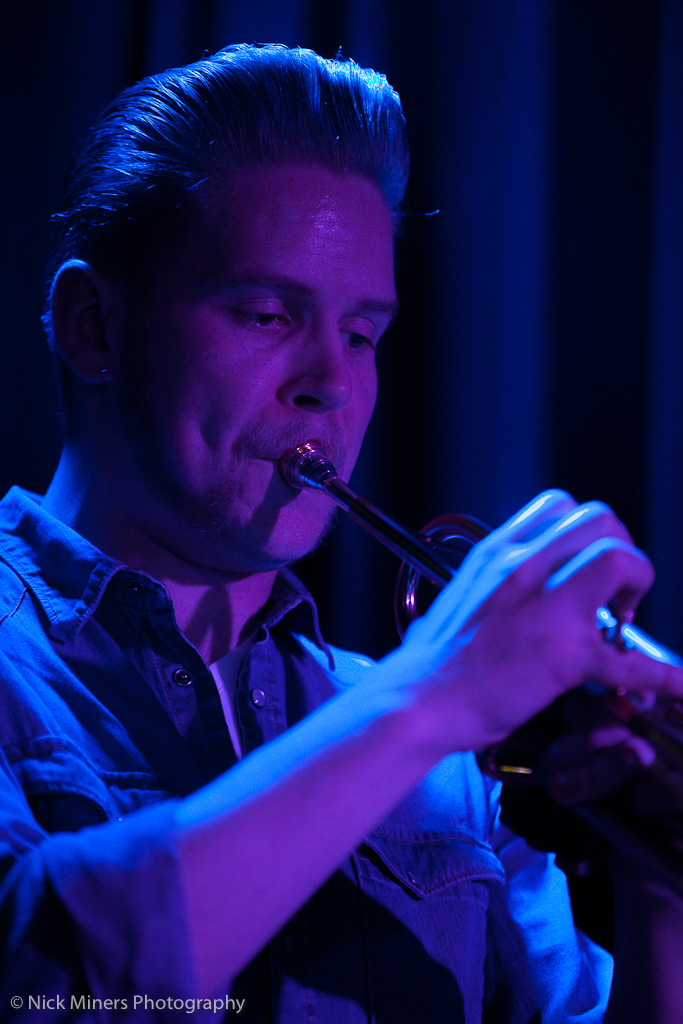
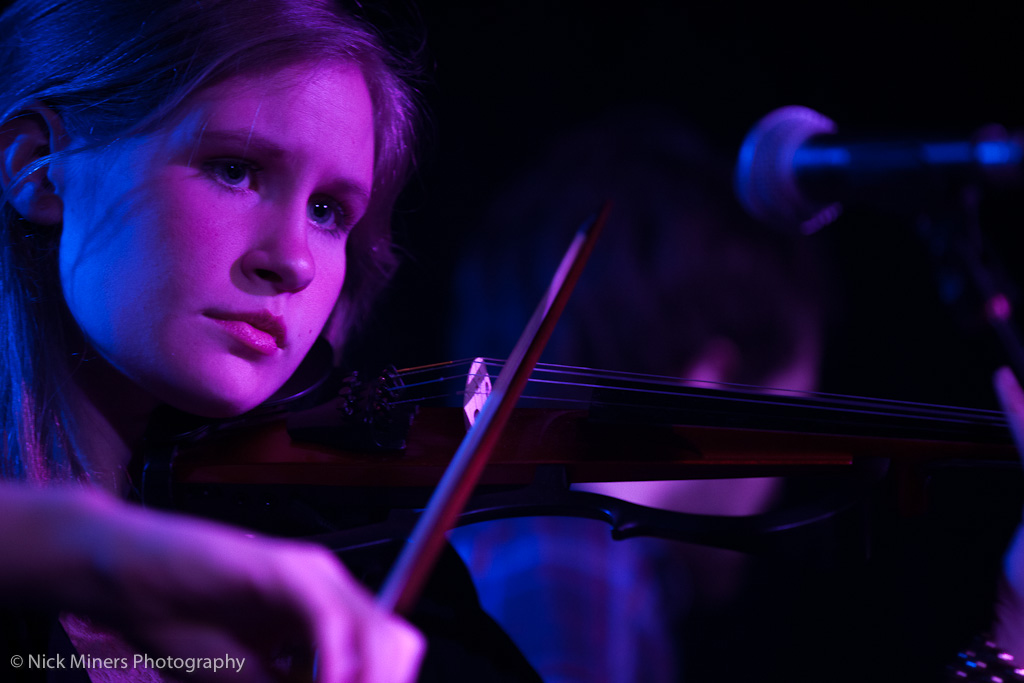
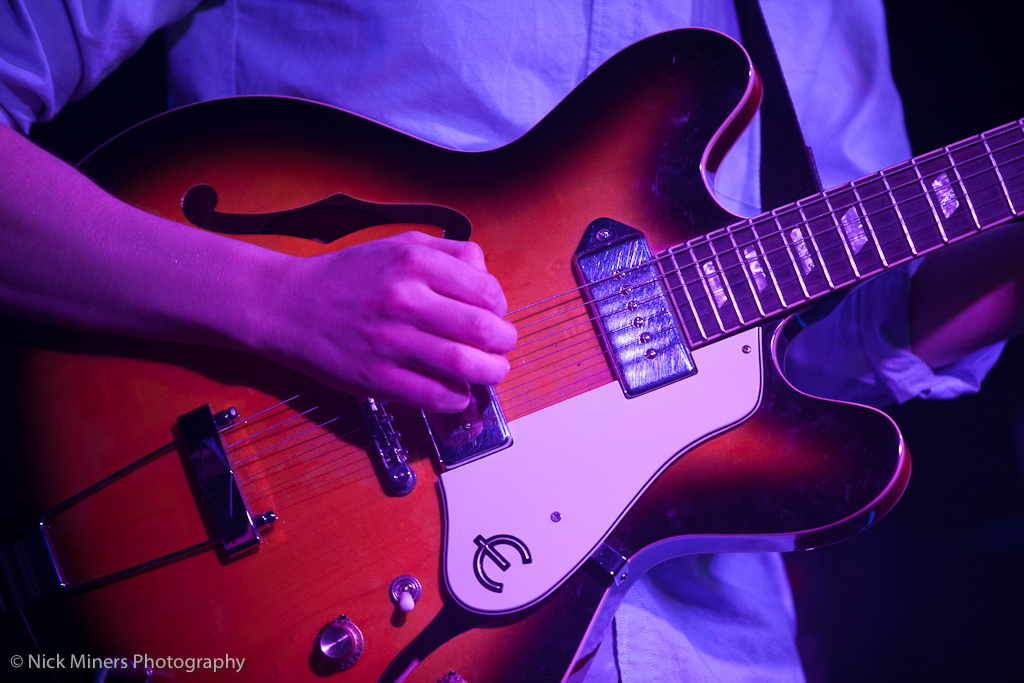
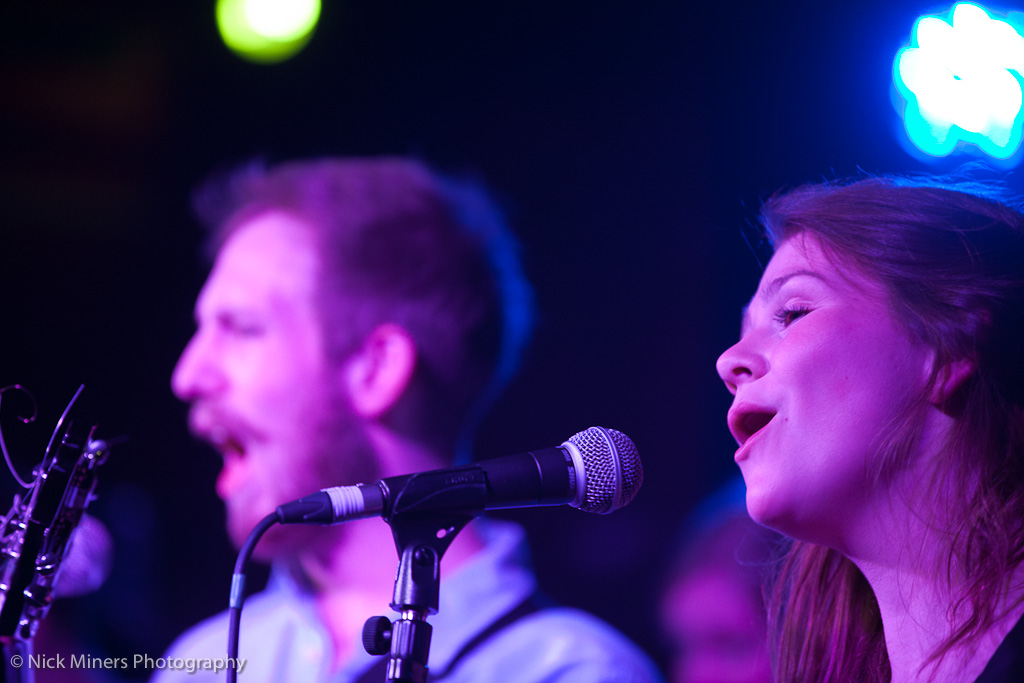
The ever excellent Ja Ja Ja Nordic held their latest event at the Lexington last night, featuring Manna from Finland, Denmark’s Freja Loeb, and one of my favourite Icelandic bands, Útidúr. I was intrigued by how they’d fit the 12 strong Icelandic collective on the tiny stage, but as it turned out there were only 8 of them and they just about managed.
Continuing the diary of my attempts to capture the aurora. Part one is here, and part two here.
Over the next few days I set out on various routes achievable from the capital in a single day. The weather forecast for pretty much the whole week was showing as constant rain, but as they say in Iceland, if you don’t like the weather, just wait five minutes. Indeed, I was blessed by mostly fine weather for much of my time on the road, and occasionally by air so clear that I could see mountains several kilometres away without a hint of haze.
The aforementioned Reykjanes peninsula (or Reykjanesskagi to give it its full name in Icelandic) has recently seen the completion of a fully surfaced road stretching along its southern extent, from GrindavÃk in the west to the ferry port at Þorlákshöfn in the east. I headed towards the latter town from ReykjavÃk on a route that passes through the high altitude Hellisheiði pass. It’s not uncommon for the weather in the pass to be very different from that in the city, and so it proved as the light drizzle in ReykjavÃk gave way to a snow-covered landscape with ice on the road and cloud everywhere. The descent towards Hveragerði is a steep, winding road where you have to be exceptionally careful not to lose grip, especially when it is slippery. Driving down this route gives one a clear indication of just how dangerous driving in Iceland can be if you are not careful, and this is on one of the best roads there is.
Þorlákshöfn is one of two terminals for the ferry service to the Westman Islands. The other, Landeyjahöfn, is further east, and recently took over as the primary terminal as it allows for a much shorter crossing. Þorlákshöfn however remains active as a backup for when ferries are unable to take the shorter route. The community of villages and farms nearby gather at Strandarkirkja, a small wooden church, typical of rural Iceland, built right on the coast. It is separated from the beach, where the bitterly cold sea meets harsh volcanic rocks and black sand, by a wall of rocks which was still covered in a dusting of rain-washed snow.
Strandarkirkja, a small church near Þórklákshöfn in southwest Iceland
I walked over some slippery steps, supporting myself with the aid of the freezing-cold metal chain handrail, to explore the textures on the beach, as the tide was quite low. Seaweed, basalt, black sand and shallow water channels provided variety and interest. Back by the church, a statue by Gunnfriður Jónsdóttir called Landsýn (Land in Sight) looks out over the ocean, and there was a line of snow up the figure’s back indicating just how strong the wind had been recently.
The slippery path over the sea defences at StrandarkirkjaLava textures on the beach at StrandarkirkjaBlack sand on the beach at StrandarkirkjaA crack in the lava on the beach at StrandarkirkjaLandsýn (“Land in Sight”), a statue by Strandarkirkja
Further west lies the sleepy fishing town of GrindavÃk, where the GrindavÃk Ice Company provides crates of ice for the local fishermen. I’m used to seeing ice out in the wild in Iceland, but the stacks of ice-filled containers outside the company’s bright red warehouse was a less familiar sight! On the way to GrindavÃk the road passes some extremely odd shaped volcanic structures, one of which looks like an octopus emerging from an roiling ocean that has been frozen into solid lava.
Rocktopus!
If you continue further still, the road heads to a hot spring area called Gunnuhver, where a ghost called Gunna is said to have caused much perturbation until being tricked into falling into a hot spring. The cold weather meant that the steam from the hot springs, with its now familiar (to me) eggy/Marmitey smell, overwhelmed the whole area, leaving the bubbling mud and boiling water invisible. However the wooden walkways through the area disappeared into the steam in a wonderfully gothic way.
The wooden path at Gunnuhver disappearing into the steam
Turning north, back towards the international airport at Keflavik, one crosses the fault line that lies between the North American and Eurasian tectonic plates. Those ever resourceful Icelanders have built a ‘bridge between the continents’ at one point, where you can stand above the ever-widening crack as the two plates move apart by a few centimetres every year. The gap is filled with black sand and not, as some might expect, boiling lava, which means you can walk beneath the bridge as well as over it.
The bridge between continents – North America on the left, Eurasia on the right
As I headed back towards ReykjavÃk, I took a detour past Kleifarvatn, a lake which in 2000 began to drain away slowly, after a fissure was opened up by an earthquake in the area. Even now it’s possible to see how far it has receded as there are vast black sandy areas between the edge of the lake and the rocks by the road. Interestingly shaped chunks of ice had formed at the edge of the lake, and tyre marks left by some no-doubt bonkers 4×4 contraption had part-filled with snow, making shapes that in places resembled writing in some foreign script.
Ice shapes on the edge of KleifarvatnSnow and tyre tracks at Kleifarvatn
Back in ReykjavÃk, I visited Perlan (The Pearl) to grab a shot of one of my favourite views of the city. Heavy bands of cloud overhead ensured there would be no aurora viewing tonight, but they did help to provide some impressive light over the bay.
View of ReyjkavÃk from Perlan. The large church is HallgrÃmskirkja, HallgrÃmur’s church, whose design was influenced by the basalt columns common throughout Iceland.Late sun over the bay at ReykjavÃk, seen from Perlan
After some food, and once it was completely dark outside, I headed down to Harpa, the concert hall by the harbour, to photograph the light show created by individual strips of light contained within each cell of its pseudogeological façade. You can watch a video of the display here.
ReykjavÃk’s amazing dynamically lit concert hall and opera house, Harpa.The green and red lights dancing across the façade were reminiscent of the auroraThe display went on all night, as far as I could tell.
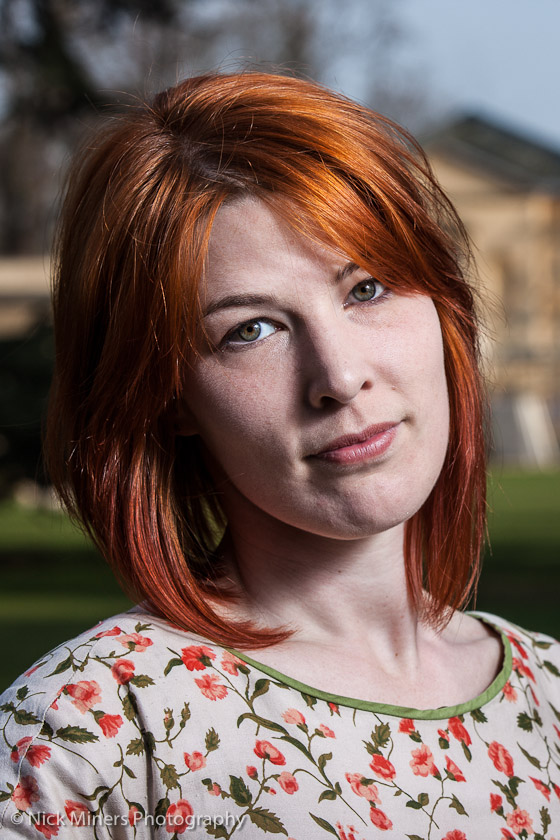
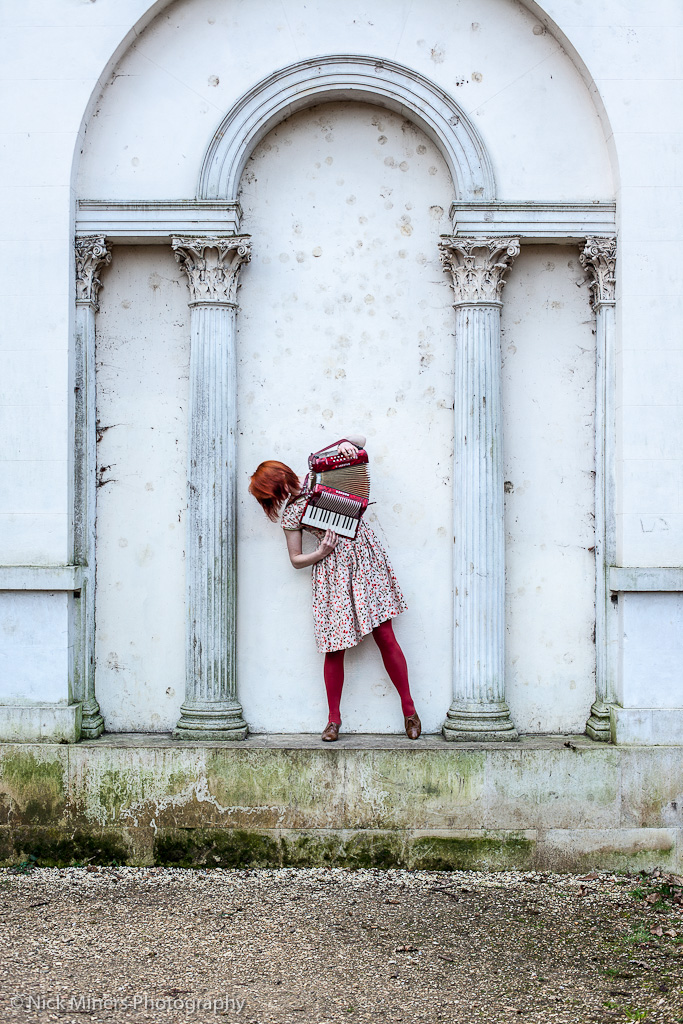
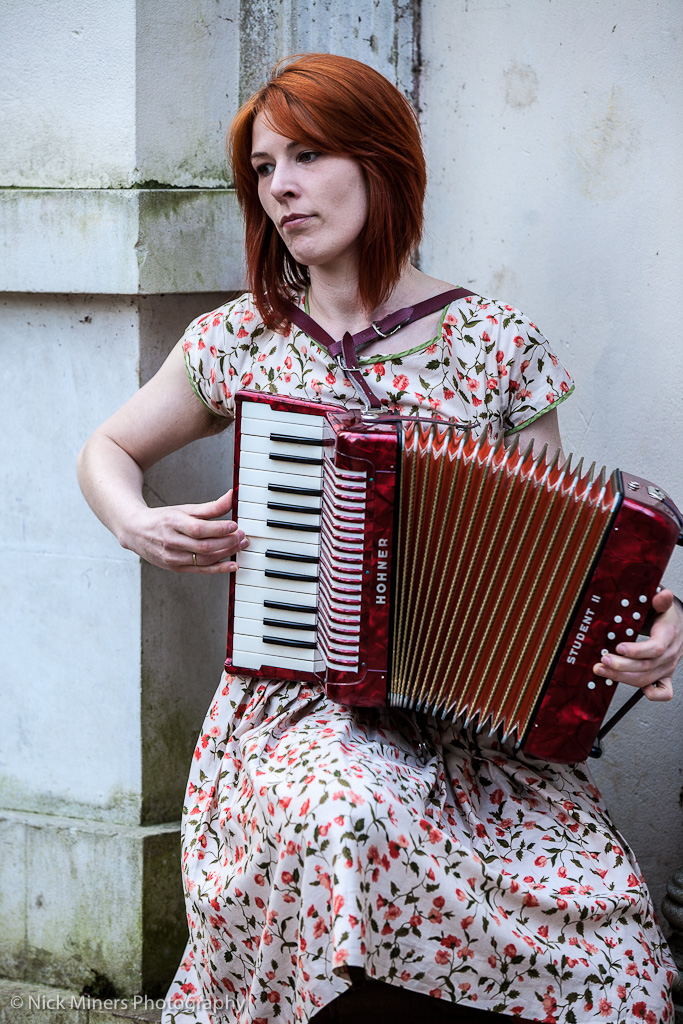
I recently had the pleasure of a photoshoot with Claire, a friend who volunteered for a session after seeing my recently added Portraits portfolio (which now includes some pics of her from the shoot). I have included here the best of the bunch, and would also like to introduce you to my new portraits business, the imaginatively named Nick Miners Portraits. If you’re in the Hertfordshire area, or London, (or even if you’re not but are prepared to pay my travel expenses) please go and have a look and feel free to book a session or make an enquiry. I would love to see you.
Modern Iceland has a population barely exceeding 300,000 people. The vast majority of Icelanders (over 200,000) live in ReykajvÃk and the surrounding conurbation, which consists of Mosfellsbær to the north, and Kópavogur, Garðabær and Hafnarfjörður to the south. The next largest town is Akureyri, in the north of the country, which has a population of around 18,000, with the rest of Iceland’s population distributed throughout towns, villages, hamlets and farms scattered around the coastline. The interior, also known as Hálendið (the highland), is utterly uninhabitable, and impassable by all but the most rugged 4×4. In winter, the four routes through the middle of Iceland are closed to traffic completely.
The extremely low population density means that road maintenance, which is funded by taxpayers, is prioritised towards the more populous regions, and it is not uncommon to be driving towards a remote lake, waterfall or settlement and find the road surface suddenly deteriorate into a pitted gravel surface (heralded by the warning ‘Malbik Endar’). Recent years have seen a huge rise in tourist visitors to Iceland, however, and many of the more popular destinations are now serviced by fully surfaced roads.
Despite its low population, Iceland has a booming music scene, which reaches far beyond the much feted Björk and Sigur Rós. Something in the education system, possibly combined with the island’s isolation, means many people use music as a form of self-expression, and the parochial nature of even the capital means musicians don’t need to look far to find like-minded individuals with whom they can form bands. Another consequence of the lack of people means that many bands share members, and it’s not uncommon to see the same musician appear with two or even three separate bands at various times.
Iceland Airwaves - the highlight of the Icelandic musical calendar
Arrival
Winter in Iceland is an unusual time of year for people used to less polar latitudes. It’s common knowledge that through the winter solstice you get very little daylight at all. Even in late February the sun rises above the horizon for just 9 hours, and given that Iceland is further to the west than the UK, yet still uses GMT, the ‘day’ is shifted so that you get more daylight after midday than before. This also gives rise to a more regular ‘midnight sun’ during the summer months that would otherwise not occur, a sly marketing trick, I think!
Iceland’s main international airport sits at the western tip of the Reykjanes peninsula, near the town of KeflavÃk, and is named after Leifur EirÃksson, the man credited by many with discovering the Americas (though he named them Vinland). First time visitors, who have been informed by their departure airport that their flight is to ReykjavÃk, are usually in for a surprise as there is a half-hour journey by road through the barren lava fields of Reykjanes before they finally reach the capital.
I had met a young couple on the plane who, despite being well-travelled, had not visited Iceland before. I envied them their first visit to Iceland, an experience that can never be repeated. Instead, I picked up my rental car and drove myself to the capital, where I was meeting Inga, who had very kindly arranged my accommodation for the week in the 4-star Radisson 1919 hotel right in the middle of town.
Once settled in, I helped myself to one of the town’s, and possibly the world’s, best hotdogs. ‘Bæjarins Beztu Pylsur’ literally means ‘Town’s best hotdogs’ and is aptly named. If you ask for ‘eina með öllu’ (‘one with everything’) you get a bun with onions, ketchup, mustard and remoulade sauce smothered over a perfect hotdog sausage. As traditional Icelandic food goes, it’s not quite up there with dried fish or fermented shark, but if it’s good enough for President Bill Clinton, it’s good enough for me. (In fact, Slick Willie only wanted mustard on his, so if you ask for ‘the Clinton’, that’s what you get!)
Hot dog from Bæjarins Beztu Pylsur - considered one of the best in the world!
As the sky darkened I decided to head for Setljarnarnes, the northwesterly point on the small peninsula on which ReykjavÃk sits, to see what the aurora was up to. When I arrived, there was a pale green arc in the northern sky, but little movement. I sat in the car for a few minutes to wait, and suddenly, I saw a portion of the arc start to brighten and move. It wasn’t long before the aurora started to put on a real show.
A Brazilian man who was there too seemed very agitated by the whole thing. He asked me if that was the aurora, and when I confirmed that it was, seemed to be overcome with emotion, thanking me passionately, as though I had personally laid on the aurora for him. He saw that I was taking photographs and ask if I’d help him do the same, but when he fetched his camera from the car, I had to inform him that his compact point-and-shoot wouldn’t be capable of the long exposures necessary. He seemed decidedly crestfallen by the news, but brightened up quickly enough when his attention returned to the celestial light show.
With aurora pictures sorted, what was I to do for the rest of the week? I had been hoping to capture some more photos with perhaps one of Iceland’s famous waterfalls in the foreground, but I knew I’d be at the mercy of the elements, and had probably been extremely fortunate just to capture what I had tonight.
The Aurora Borealis
Sadly, on closer inspection, the picture above is still slightly out of focus, something I only discovered once I uploaded the images onto my laptop back at the hotel. So I was going to have to try again at some point if I was to get the headline-grabbing images that I wanted.