The road to Barcelona

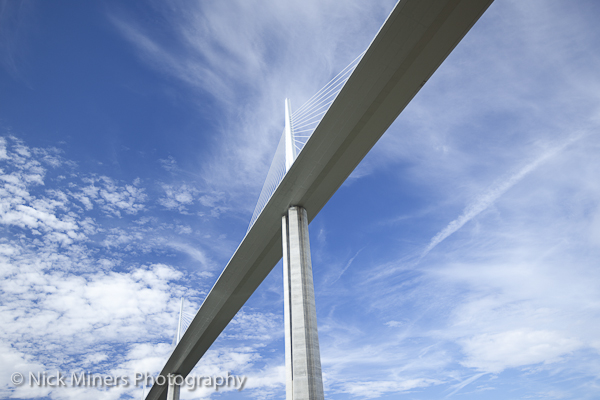
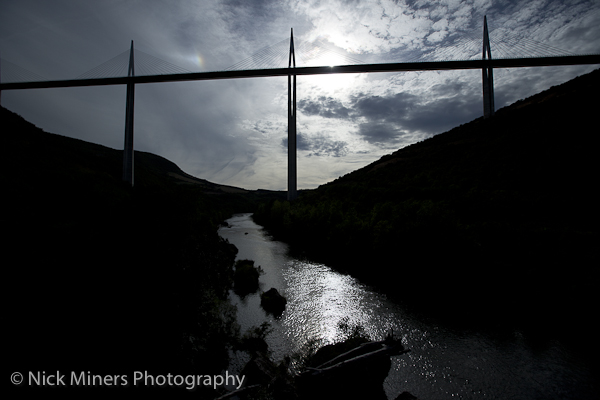
I have just returned from a fantastic road trip across France to the Spanish city of Barcelona. Our route took us from Calais in the extreme north of France, through Clermont-Ferrand in the Massif Central, an elevated section of France where the autoroute reaches altitudes of over 1200m above sea level. Further south the autoroute crosses the Viaduc de Millau, one of the tallest bridges in the world, which spans (and rivals as a spectacle) the Gorges du Tarn near Millau in the Aveyron département. After leaving the Massif Central, we drove through the Mediterranean south coast alongside Montpellier and Perpignan, before crossing the border with Spain to the east of the Pyrenees.

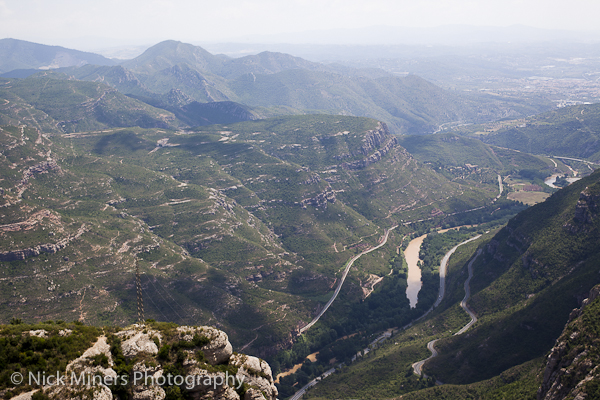
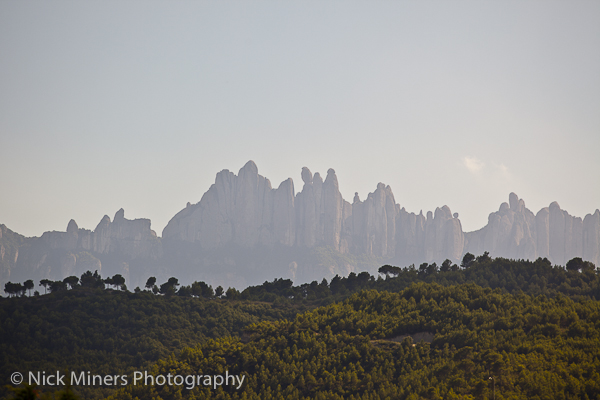
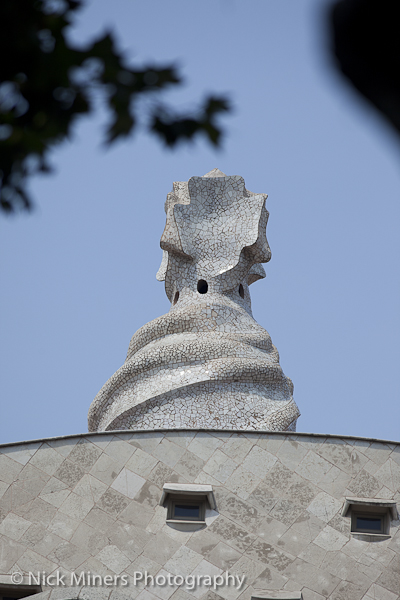
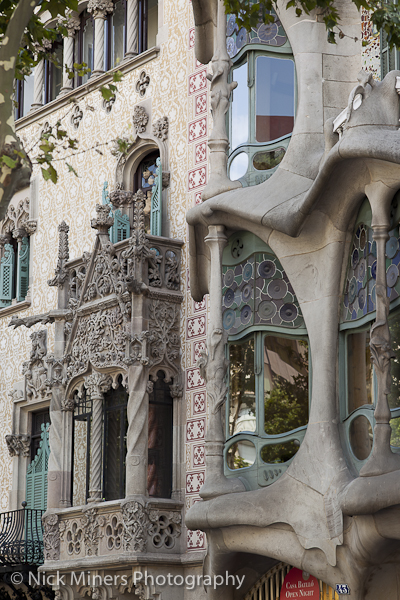
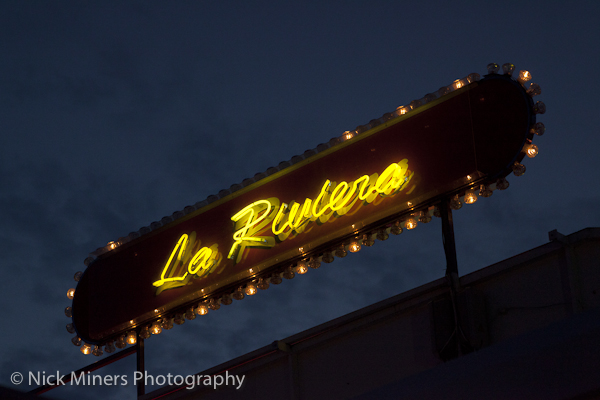
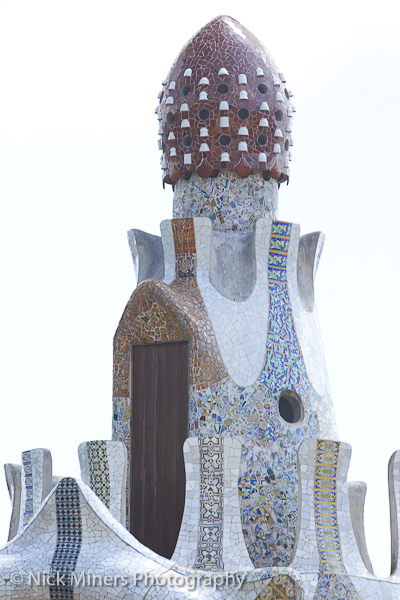
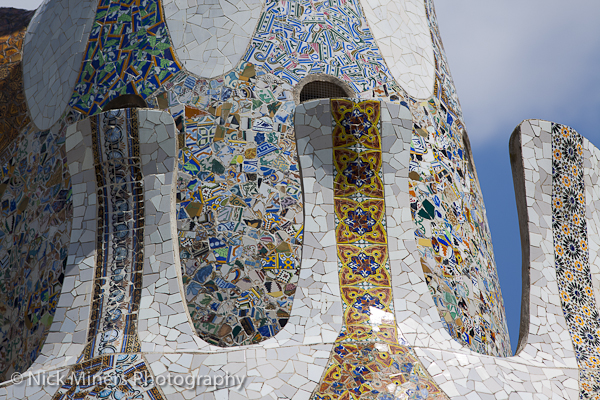
Five nights in Barcelona were barely enough to see what this amazing city and its surrounding area has to offer, but we managed to see some of the Catalan architect Antoni Gaudi’s most famous work, including the Parc Güell, and the simply breathtaking Temple Expiatori de la Sagrada Familia (Church of the Holy Family), which, nearly 100 years after Gaudi’s death, is still under construction to this day. To the north of the city, the monastery of Monserrat lies 1,000m above the surrounding countryside on one of Spain’s most beloved mountains.

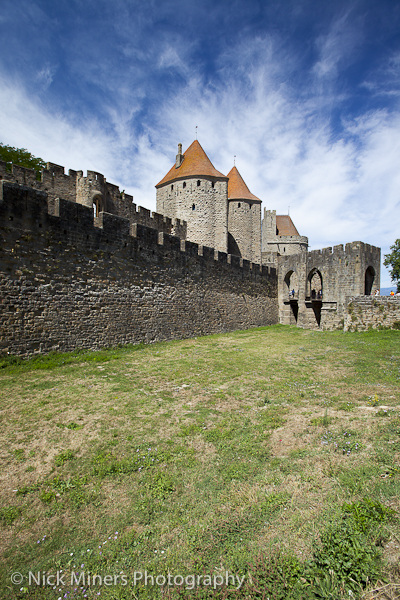
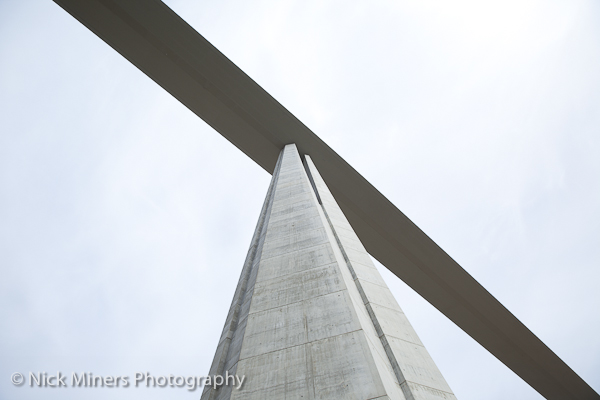
Our route back took us through the Pyrenees to the medieval French fortified city of Carcasonne, and back to the Viaduc de Millau where we approached from beneath, rather than crossing it, to get a different perspective. As we approached Clermont-Ferrand for a second time, the skies over the Massif Central gave us a rather impressive send-off with one of the most stunning sunsets I have ever seen.

No ’Room for noise

Adobe finally released Lightroom 3 today, after an extensive beta testing period during which we were shown tantalising glimpses of the new features. However, by far the most impressive of the added goodies is the improved noise reduction. I’ve included some examples below.

Borough Market, EOS 5D Mark II, ISO 3200

This photo was taken at ISO 3200 on my Canon EOS 5D Mark II, shortly after I bought it, as part of a series of photos of Borough Market in London. All the photos in the set were taken at the same ISO, which allowed me to capture much of the activity and goods on sale without having to use flash.
Borough Market, EOS 5D Mark II, ISO 3200 (no noise reduction - 100% crop)

Here is a 100% crop of the same shot with no noise reduction applied (all sliders set to zero); for ISO 3200 it’s pretty good, showing off the low-light capabilities the 5DII is famous for.

Borough Market, EOS 5D Mark II, ISO 3200 (after noise reduction - 100% crop)

After applying noise reduction, the chroma noise has all but vanished, and only a hint of luminance noise remains, with (in my opinion) suggestions of film grain.

Borough Market, EOS 5D Mark II, ISO 3200 (after noise reduction)

The full photo, after noise reduction has been applied. It’s hard to tell the difference at this size, so here’s an example of an ISO 6400 shot that has been adjusted with Lightroom 3:

Starry night, ISO 6400, no NR

The chroma noise, even at this smaller size, is obvious, especially in the cloud and on the right-hand illuminated tree at the bottom of the picture.

Starry night, ISO 6400, after NR

The difference here is plain. A huge improvement over the original.

I now feel I can more confidently use ISO 6400 more on my camera now; technically it does go up to ISO 25,600 but I would have to try that out in Lightroom before deciding whether it’s a realistic option.

The friendly faces of Bruges

A Belgian couple pose for the camera outside the Concert Hall in Bruges.

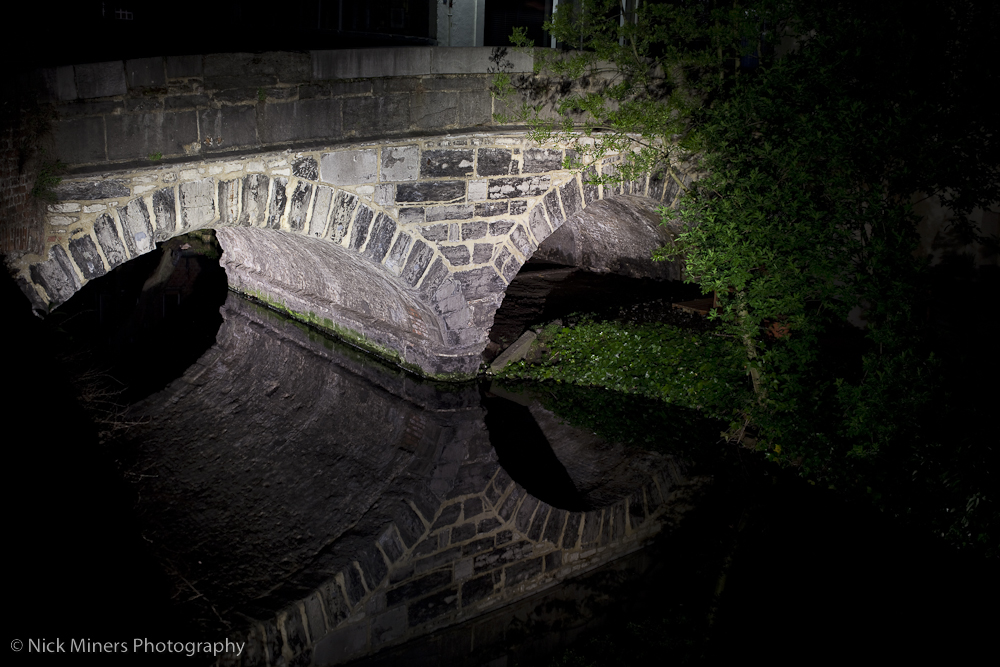
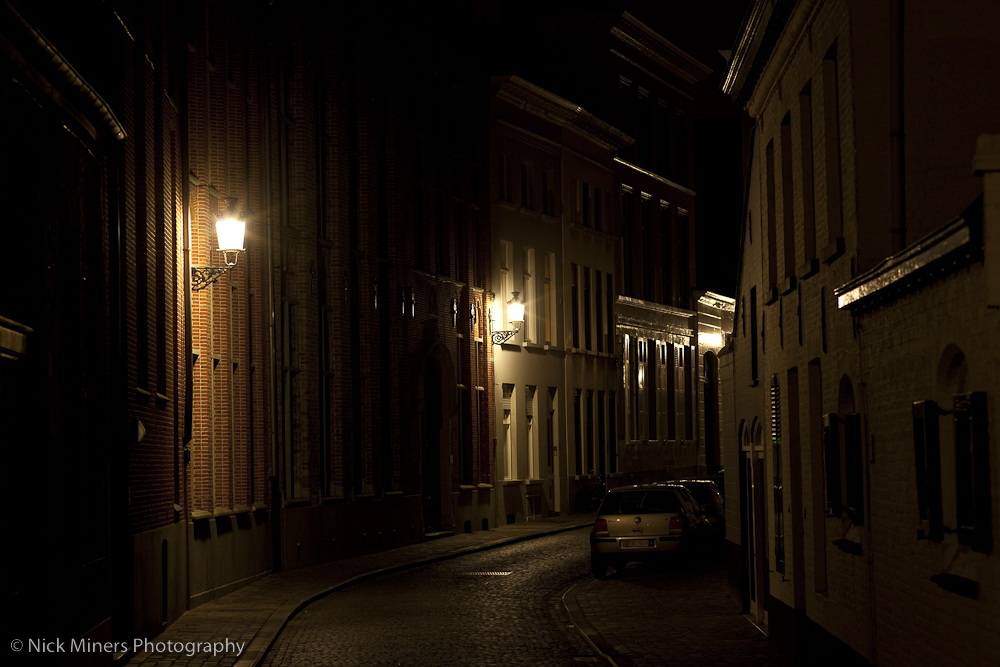
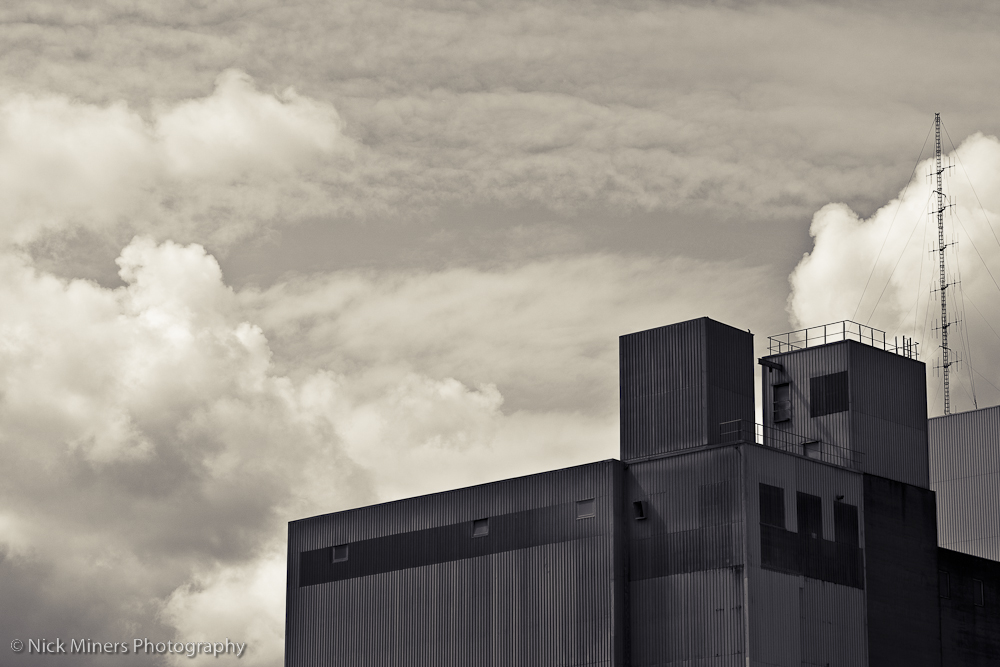
One of the most striking aspects of my recent trip to Bruges with my friend Mark was the markedly different attitude to photographers that we experienced compared to that in the UK. You can’t open the paper these days without reading about yet another photographer being harassed by police for taking (legitimate) photographs in a (public) location. However in Bruges, despite the fact that the majority of people walking about were tourists taking photographs, the locals appeared to actively welcome the chance to appear in a photograph (see above). We both felt that we were free to go wherever we pleased, whenever we pleased, even as far as the industrial docks to the north of the city where photographers with large lenses in the UK would probably be accosted by officious staff or police almost as soon as they stepped on the premises. Wandering round the streets and canals at midnight has never been so much fun.

Whilst I don’t want to use my blog to make political points, the Conservative party did promise prior to the election to stop the abuse of stop-and-search powers granted to police under section 44 of the Terrorism Act, and the newly published coalition agreement also makes the same promise. I will be watching closely and hopefully we will see an end to the nonsense that innocent photographers have been subjected to for far too long.

In Bruges

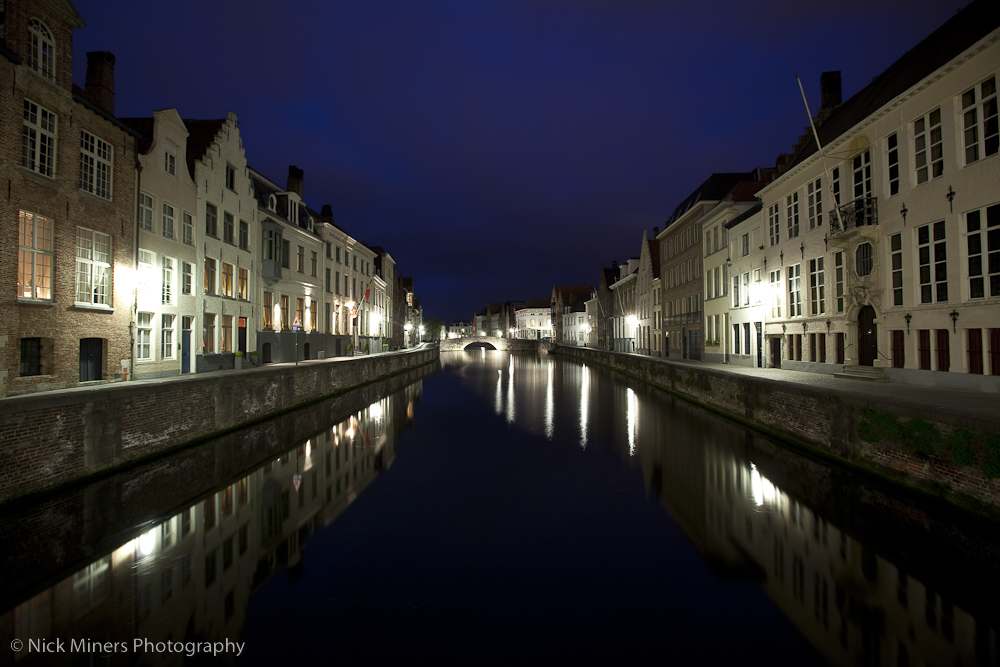
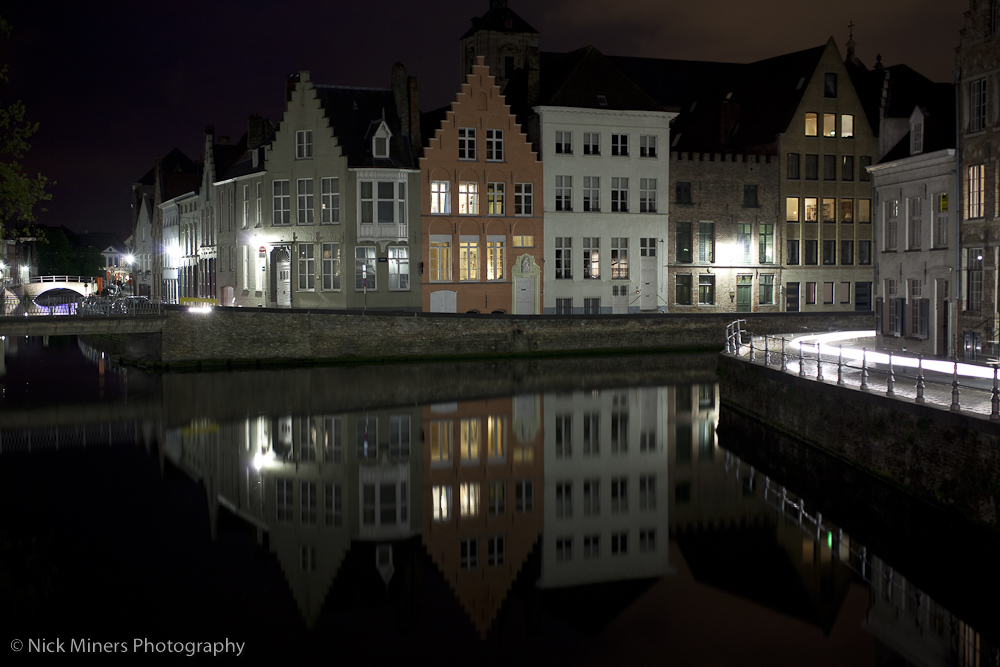
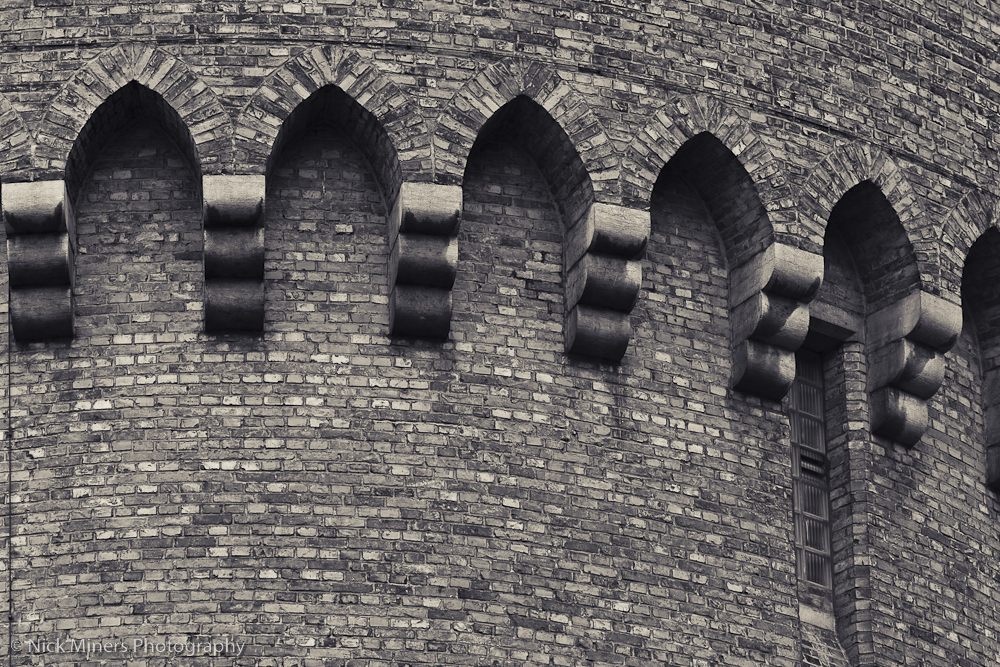
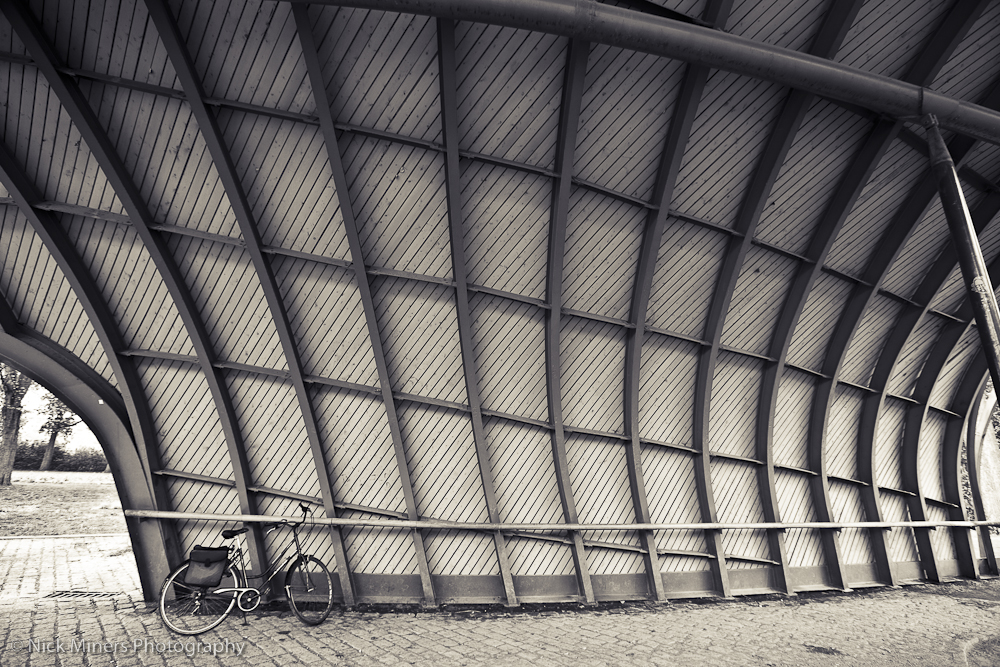
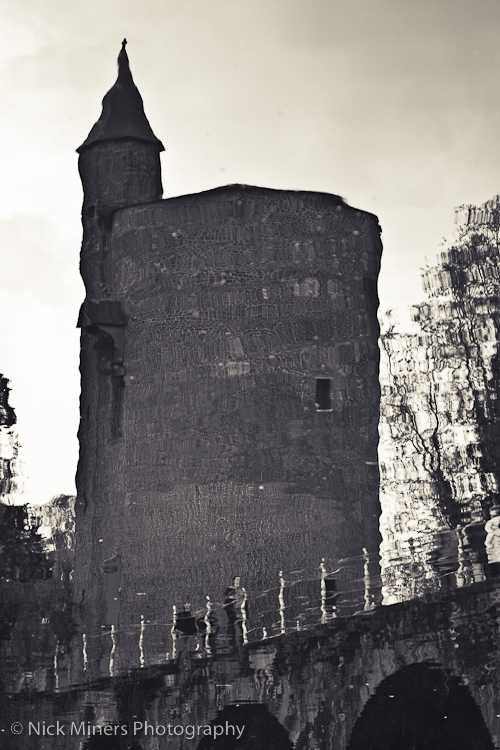
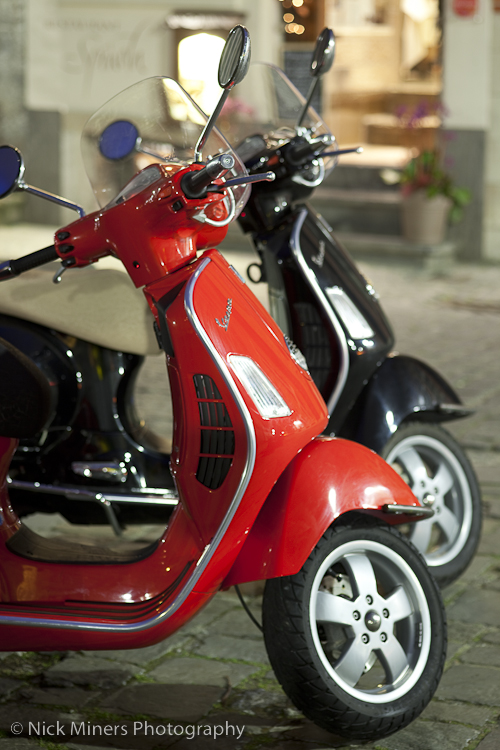
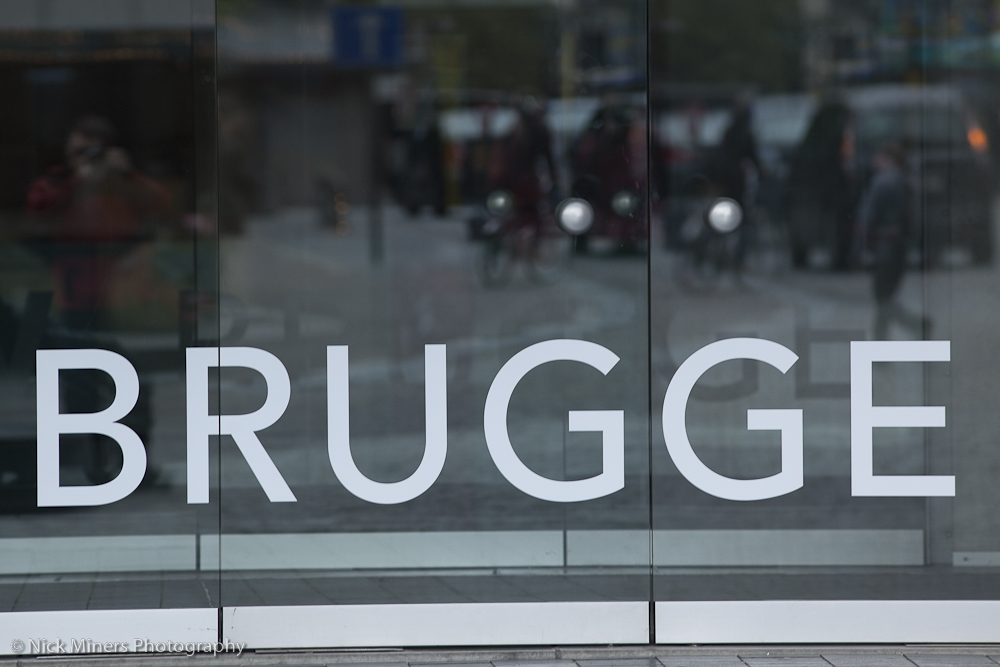
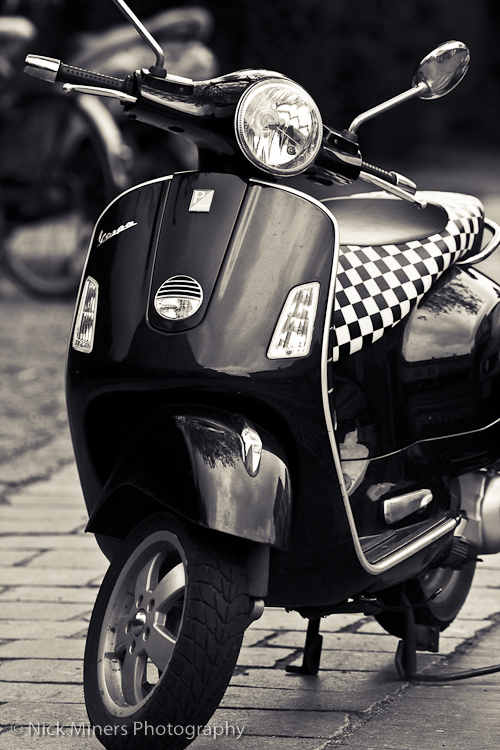
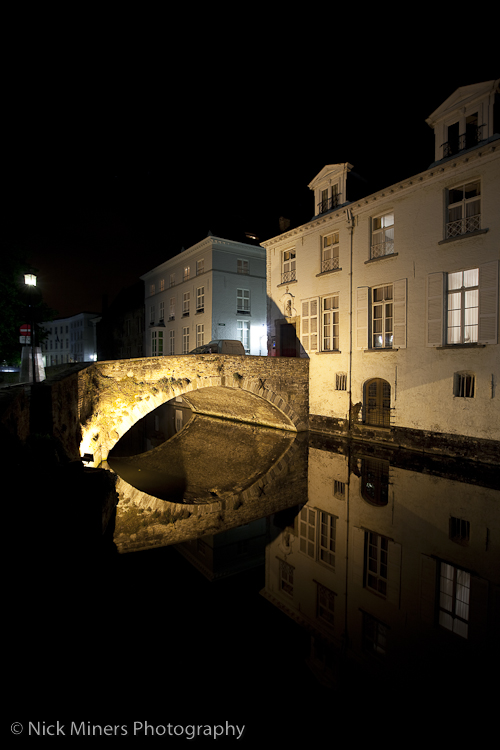
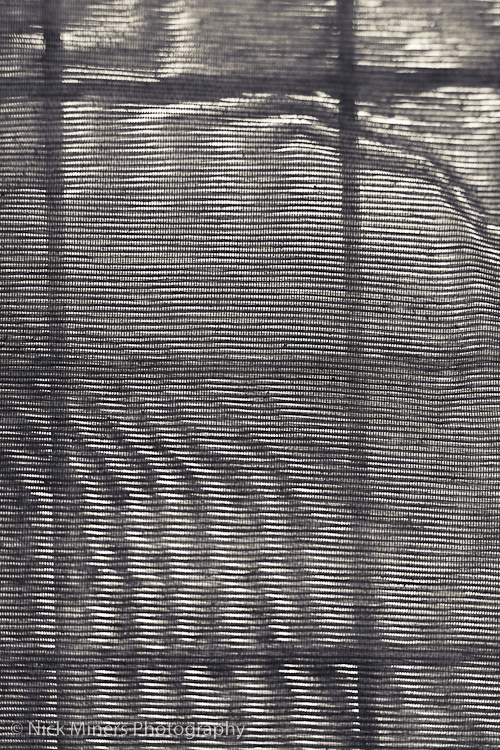
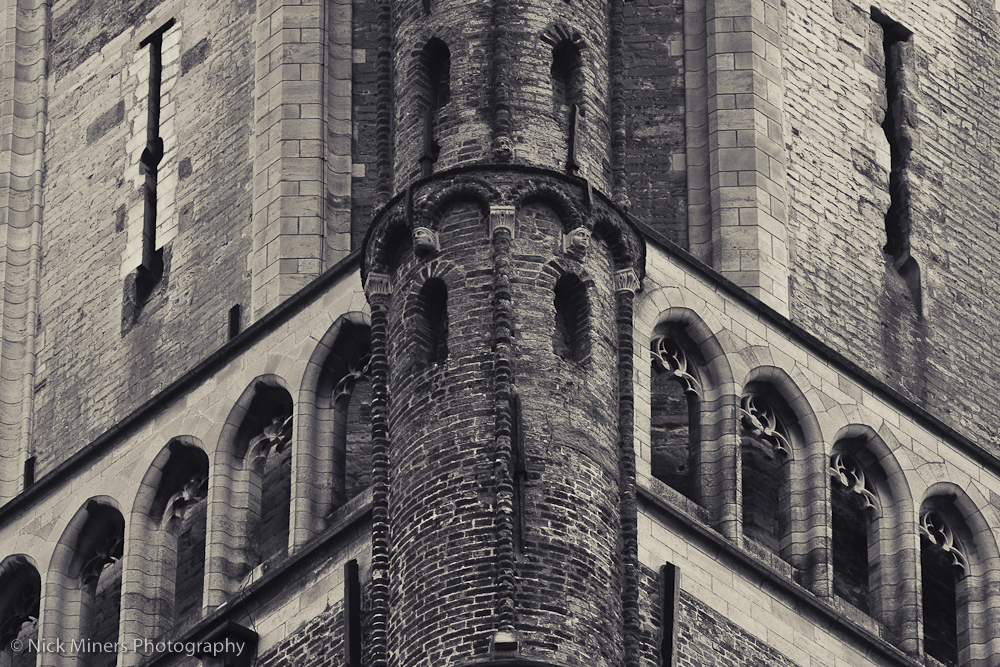
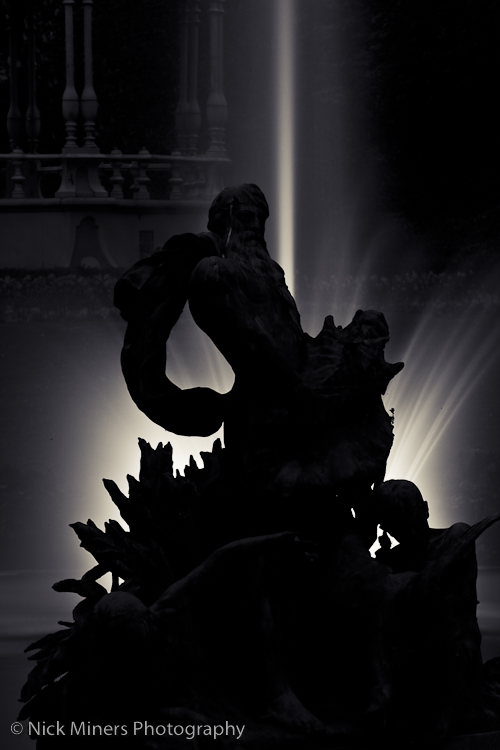
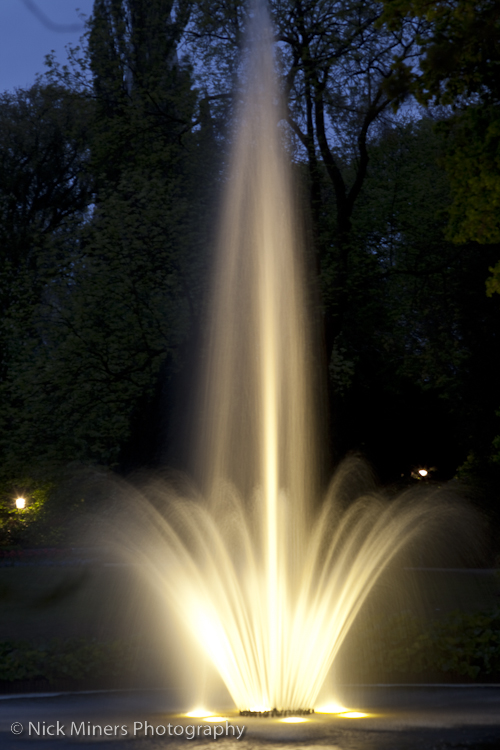
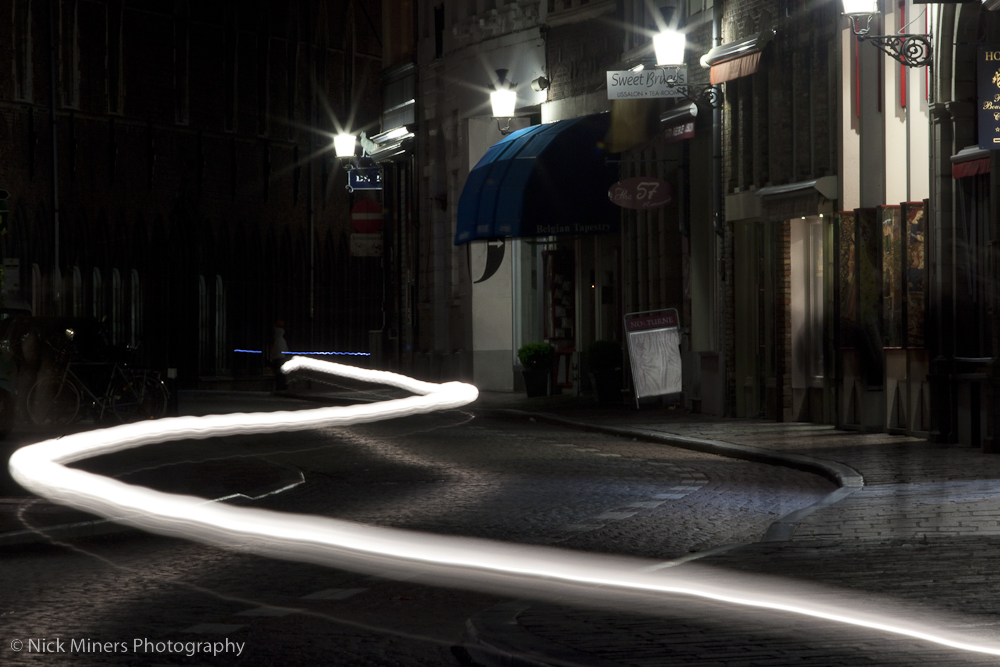
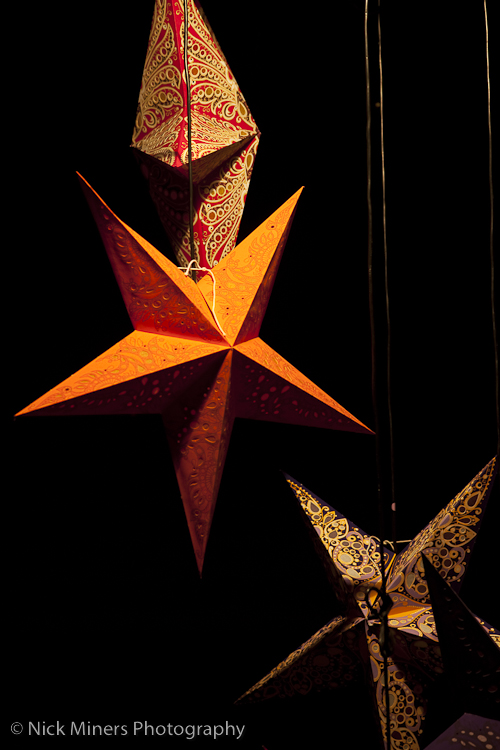
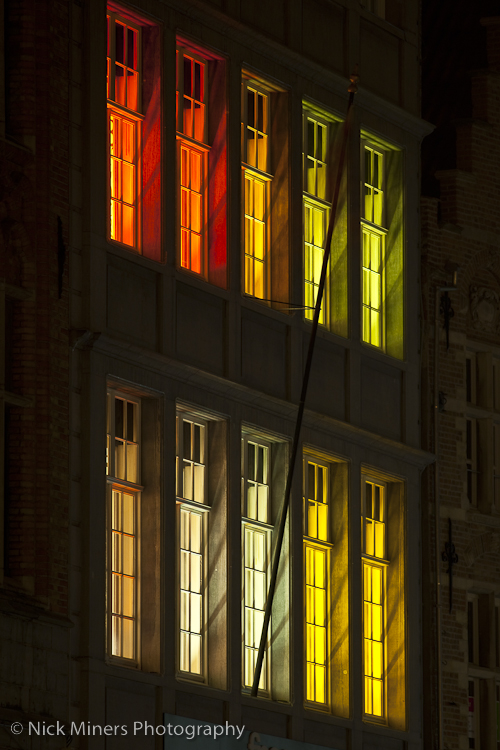
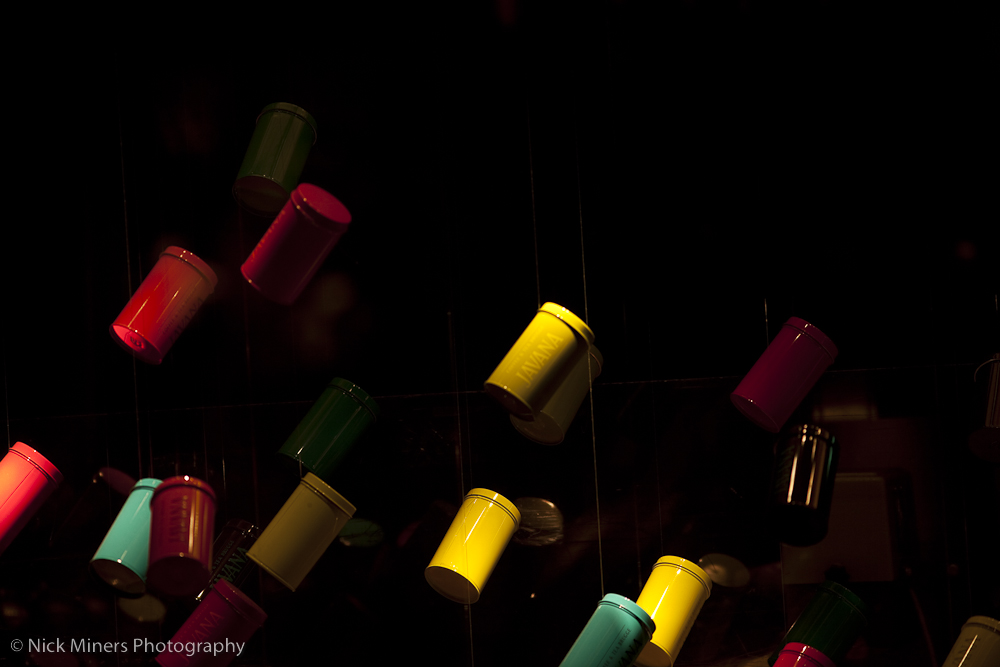
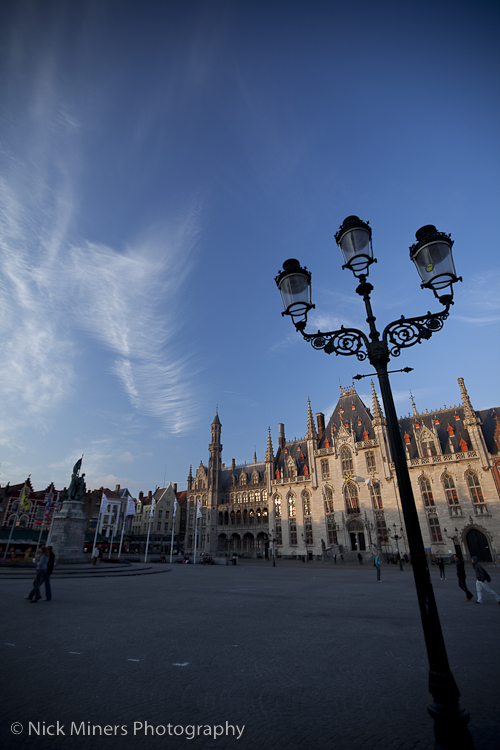
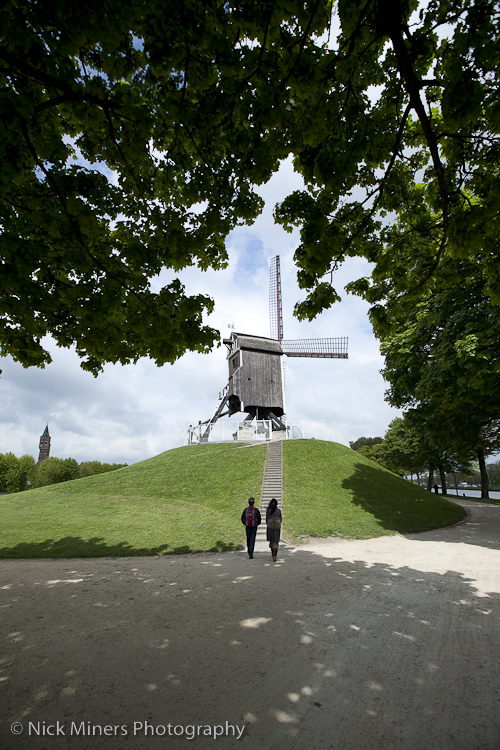
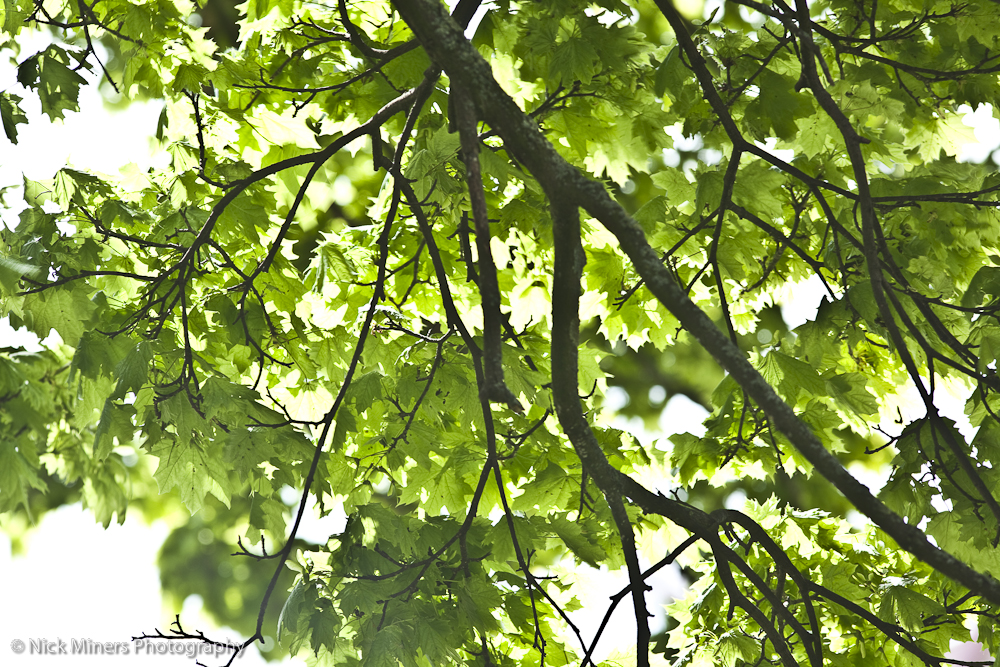
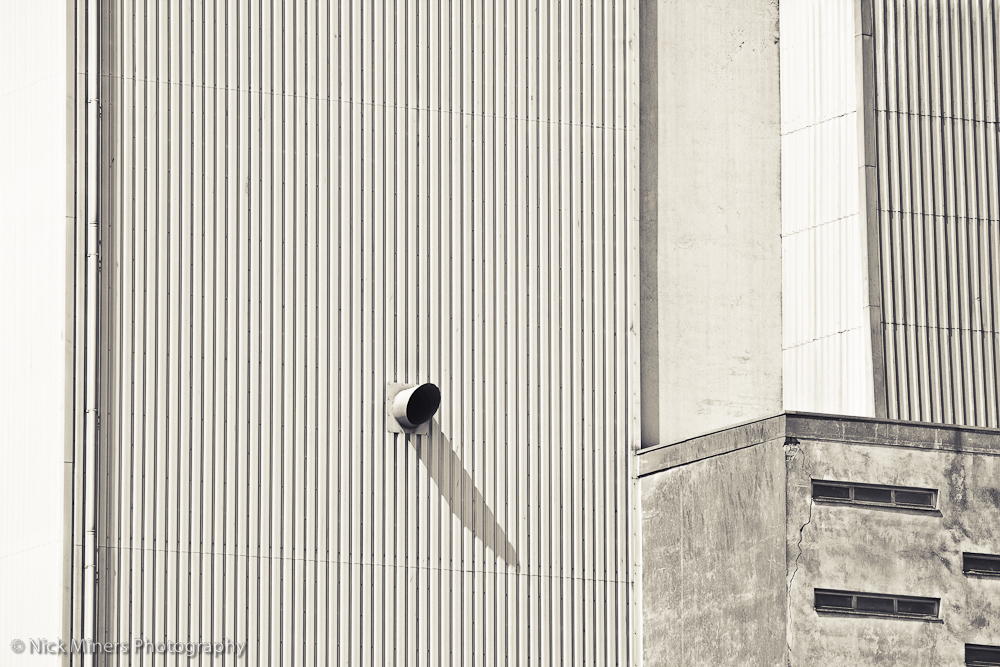
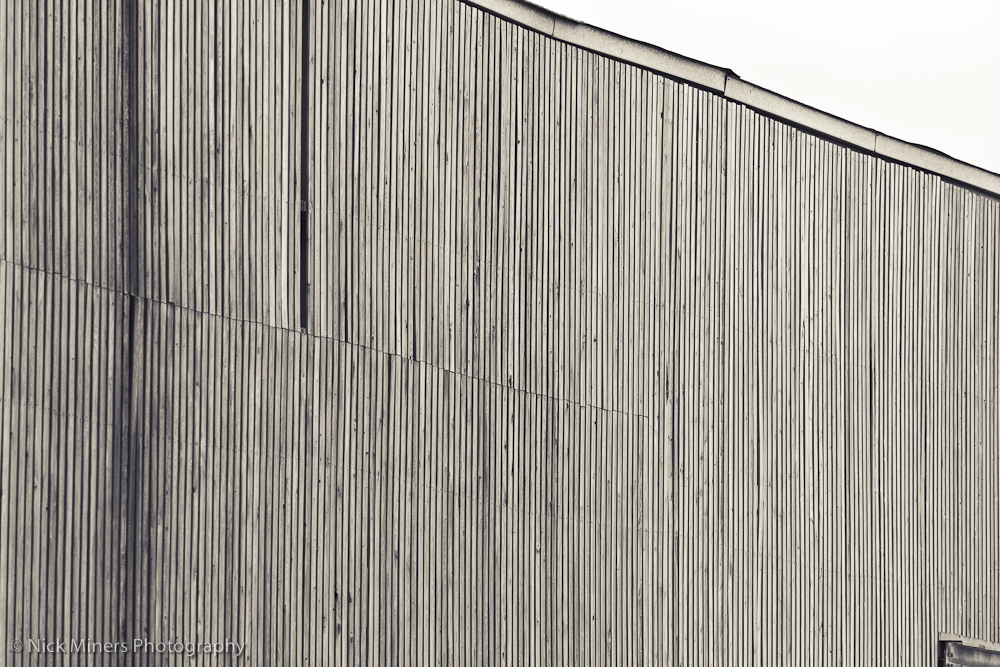
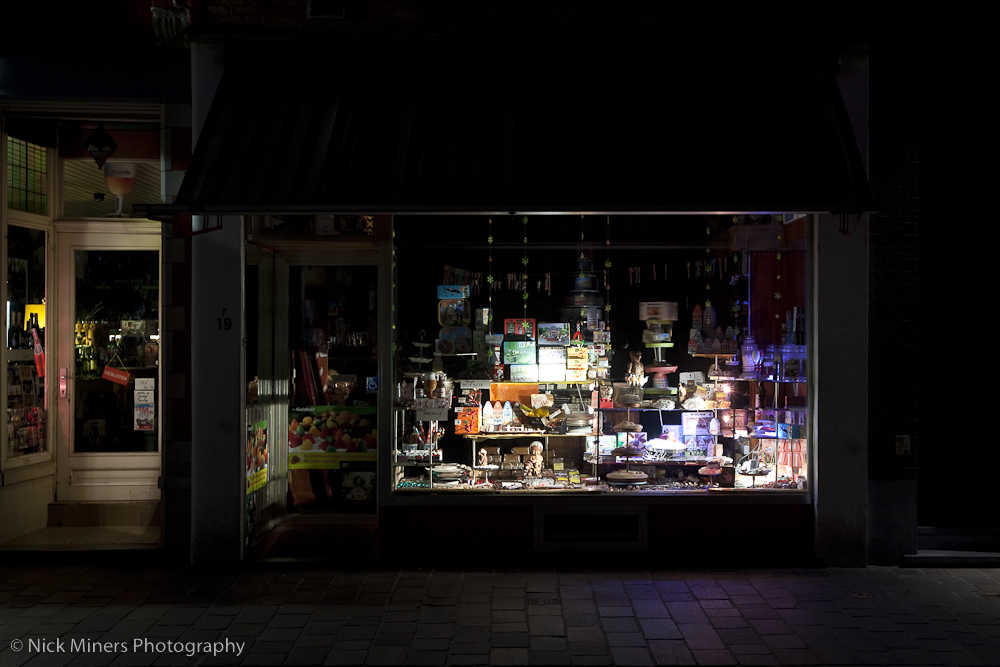
As I write, I’m about to check out of the Hotel Notre Dame in Mariastraat in the historic Belgian city of Bruges. The city (Brugge in Flemish) used to be an important hub of trans-European trade until its port silted up in the middle of the 16th Century, but it has retained many of its medieval buildings and all of its charm. Probably unfairly, Belgium isn’t top of the list for many visitors to mainland Europe, but Bruges is certainly one of the most beautiful and friendly cities I’ve visited. Here is a selection of some of my photos of the many faces of this wonderful little place.

My friend and fellow photographer Mark Casey will have his photos online soon. I will link to them here when they’re online.

UPDATE: They’re up. Please go here.